

What Happens to the Building When a Congregation Closes?
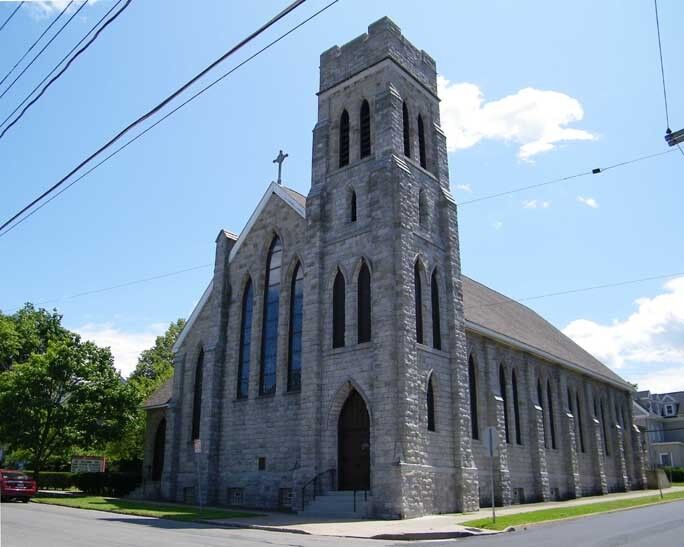
In the Episcopal Church, congregations—not the diocese—initiate closure, often due to declining membership, financial struggles, inability to maintain buildings, or disagreements with church polity. Sometimes closures occur simply because members are “tired.”
The closing of a parish is marked as both a time of gratitude for past ministry and care for the people as they transition. After closure, responsibility for the church building shifts to the diocese. Because upkeep is costly, most buildings are eventually sold.
Before sale, however, a Service of Secularization is held to deconsecrate the building, marking its transition from sacred to secular use. This ritual honors the generations who worshiped there.
At the upcoming Diocesan Convention, three congregations—St. Barnabas Mission (Franklinville), Grace Church (Lockport), and St. Mary’s (Salamanca)—will be formally acknowledged as secularized, with gratitude for their faithful witness.
Resolution NY-G
Originator: Standing Committee of the Episcopal Diocese of WNY
Subject: Acknowledgement of the secularized church buildings
Resolved, that this 188th Convention of the Diocese of New York, meeting in annual session at Niagara Falls on October 11, 2025, acknowledge the secularization of the church buildings of Grace Episcopal Church, Lockport, St Mary’s Episcopal Church, Salamanca, and St Barnabas’ Episcopal Mission, Franklinville, and the conclusion of community life for their members, and be it further
Resolved, that this Convention declare that the union between Grace Church, Lockport, St Mary’s Church, Salamanca, and St Barnabas’ Mission, Franklinville, and the Episcopal Diocese of Western New York is dissolved and the corporations are extinguished, and be it further
Resolved, that this Convention give thanks to Almighty God for the innumerable acts of love and praise that have proceeded from these communities and commend that the members be accepted and cared for by the worshiping communities of the Diocese.